
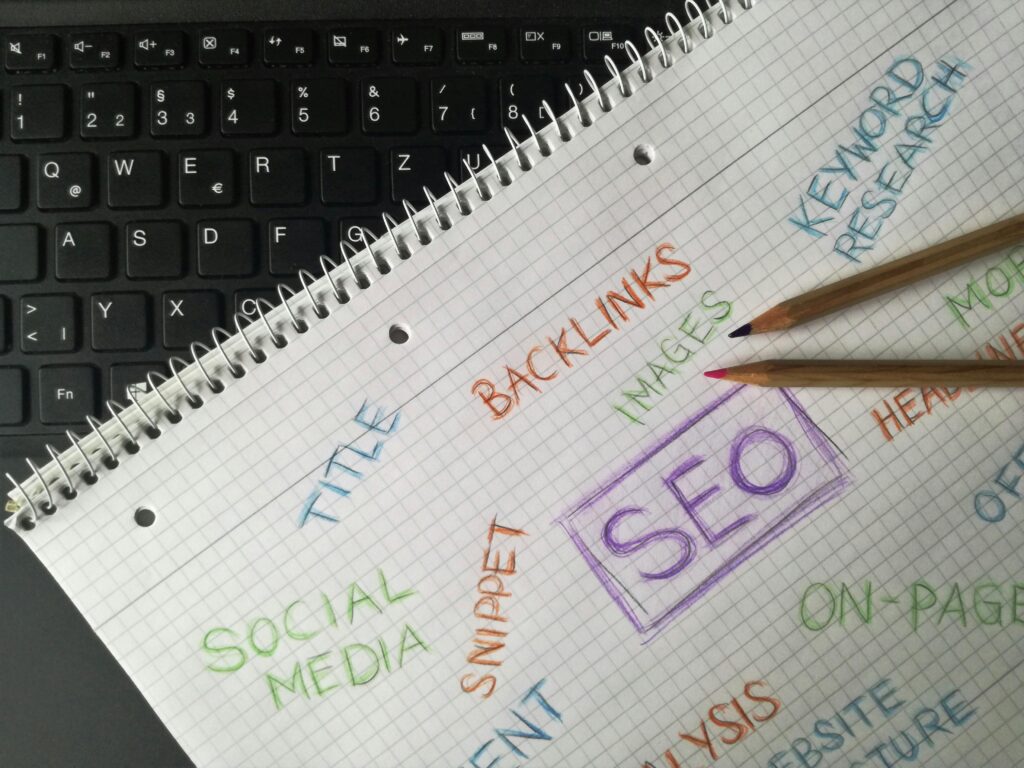


SEO Checklist for Small Business Websites in 2026: A Practical Guide to Rank and Grow
Search engine optimization has become a necessity for small businesses, not a luxury. In 2026, competition in search results is higher than ever, but so are the opportunities for businesses that follow the right strategy. This SEO Checklist for Small Business Websites in 2026 is designed to help business owners and marketers build strong search visibility, attract qualified traffic, and convert visitors into customers.
This guide is based on hands-on experience working with service-based and small business websites, focusing on what actually works today—not outdated SEO tactics.
Why Small Businesses Need an SEO Checklist in 2026
SEO has evolved significantly over the years. Google now prioritizes helpful, people-first content and real expertise. Without a clear plan, many small businesses waste time on tactics that no longer deliver results.
Using an SEO Checklist for Small Business Websites in 2026 ensures that:
Your website meets modern SEO standards
You focus on high-impact optimizations
You avoid common SEO mistakes
Your site is ready for long-term growth
A checklist keeps SEO structured, measurable, and scalable.
1. Website Foundation and Technical Setup
A strong SEO strategy starts with a technically sound website. Even the best content will struggle to rank if the foundation is weak.
Key technical checks:
Website loads quickly on desktop and mobile
Secure HTTPS enabled
Mobile-friendly and responsive design
Clean URL structure
No broken pages or redirect errors
This step is essential in any SEO Checklist for Small Business Websites in 2026 because technical health directly affects crawling and indexing.
2. Keyword Research with Business Intent
Small businesses should not chase high-volume keywords. Instead, focus on keywords with clear intent.
Best practices:
Target long-tail keywords
Focus on service + location + problem-based searches
Avoid overly competitive keywords
Effective keyword research is the backbone of the SEO Checklist for Small Business Websites in 2026, helping you attract visitors who are ready to take action.
3. On-Page SEO Optimization
On-page SEO is where many small businesses see the fastest results.
Checklist for on-page SEO:
One primary keyword per page
Optimized title and meta description
Proper use of H1, H2, and H3 headings
Keyword placement in first paragraph
Image ALT text optimized
Consistent on-page optimization helps search engines clearly understand your content.
4. High-Quality, Helpful Content Creation
Content quality matters more than quantity in 2026. Google rewards content created with real experience and expertise.
Content guidelines:
Answer real user questions
Use simple, clear language
Provide actionable steps
Avoid keyword stuffing
Keep content updated
This SEO Checklist for Small Business Websites in 2026 emphasizes content that educates, solves problems, and builds trust.
According to Google, high-quality content should be helpful, people-first, and created with real experience and expertise. Following these guidelines ensures your small business website meets modern SEO standards and ranks better in search results.
5. EEAT: Experience, Expertise, Authority, and Trust
EEAT is a critical ranking factor, especially for business websites.
Ways to improve EEAT:
Show real-world experience
Add author credibility
Include case studies or examples
Keep business information transparent
Maintain consistent branding
Strong EEAT signals help small businesses compete with larger brands.
6. Local SEO Optimization (If Applicable)
For service-based and local businesses, local SEO is non-negotiable.
Local SEO checklist:
Optimize Google Business Profile
Consistent NAP (Name, Address, Phone)
Location-based keywords
Local service pages
Customer reviews
Local optimization is a must-have in any SEO Checklist for Small Business Websites in 2026 focused on leads and conversions.
7. Website Speed and User Experience
User experience directly impacts SEO performance. Slow websites lose both users and rankings.
Speed optimization includes:
Fast hosting
Image compression
Minimal plugins
Clean theme code
Improving website speed enhances engagement and supports better rankings.
8. Internal Linking Strategy
Internal linking helps search engines understand your site structure and improves crawlability.
Best practices:
Link related pages naturally
Use descriptive anchor text
Avoid over-linking
A strong internal linking structure strengthens topical authority and SEO performance.
9. Backlinks and Authority Building
Backlinks remain important, but quality matters more than quantity.
Safe backlink strategies:
Guest posting on relevant sites
Business listings and citations
Digital PR and collaborations
High-quality content promotion
Backlinks support authority growth and help your website rank for competitive terms.
10. Tracking, Analytics, and Continuous Improvement
SEO is not a one-time task. Regular monitoring is essential.
Track:
Organic traffic growth
Keyword rankings
User behavior
Conversion actions
This final step completes the SEO Checklist for Small Business Websites in 2026, ensuring long-term success through continuous optimization.
Common SEO Mistakes Small Businesses Should Avoid
Avoid these mistakes:
Ignoring technical SEO
Targeting wrong keywords
Publishing thin content
Over-optimizing keywords
Expecting instant results
SEO success requires patience, consistency, and strategy.
Final Thoughts
This SEO Checklist for Small Business Websites in 2026 is designed to help small businesses build a strong, sustainable online presence. By focusing on technical health, quality content, EEAT principles, and user experience, small businesses can compete effectively in search results without relying on shortcuts.
SEO is a long-term investment, but when done correctly, it becomes one of the most cost-effective growth channels for small businesses in 2026 and beyond.